Enhance Your Appearance: The Essential Guide to Picking Professional Footwear for Men
Selecting the correct formal shoes is important for every man's wardrobe. Numerous styles, from Oxfords to monk straps, offer unique benefits. Superior materials and proper fit play vital roles in both style and comfort. Learning how to coordinate shoes with outfits can enhance one's overall appearance. Yet, many men overlook the significance of maintenance and investment. Considering these elements can turn an ordinary outfit into something extraordinary. Which aspects truly make a difference in a man's appearance?
Getting to Know Various Formal Shoe Styles
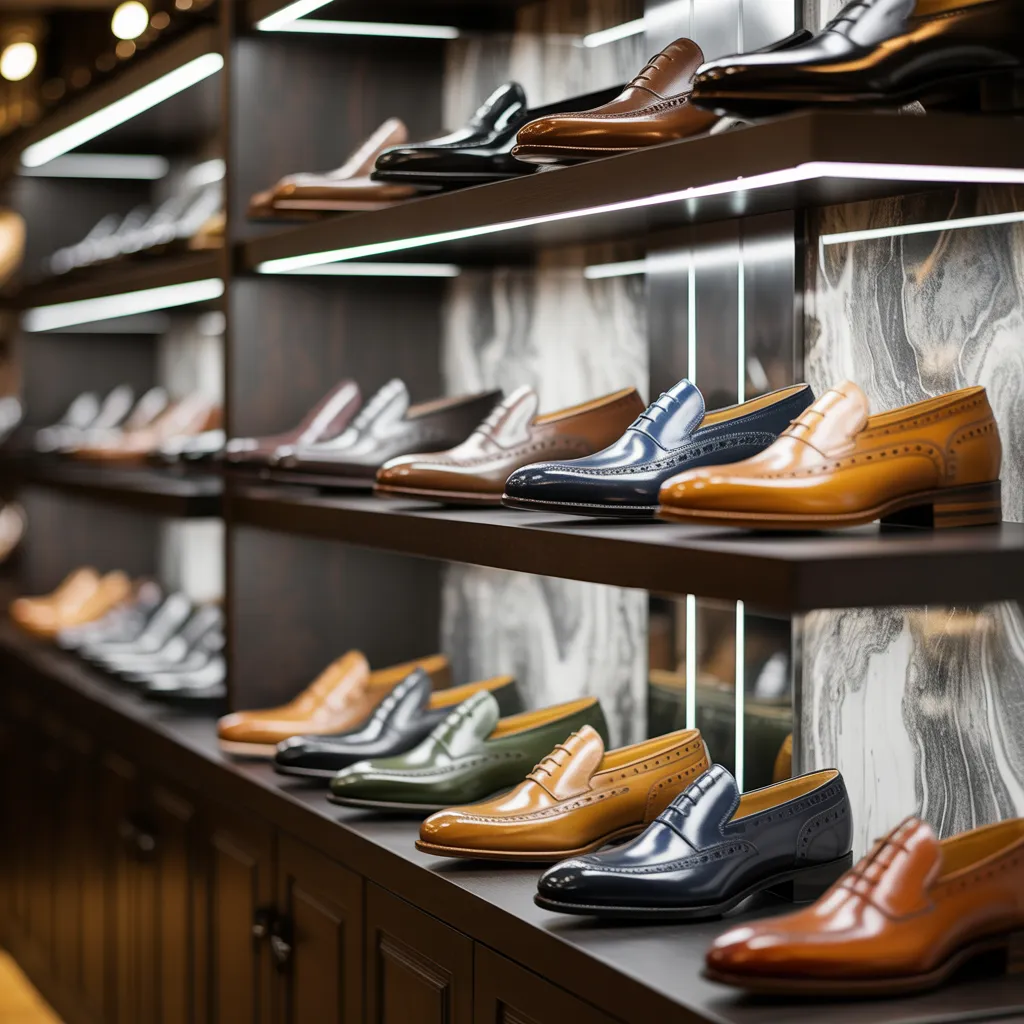
Formal shoes serve as a cornerstone of men's wardrobes, reflecting both elegance and refinement. A range of designs suit different events and individual tastes. Oxford shoes are distinguished by their closed lacing configuration, delivering a refined aesthetic suited for business and formal gatherings. On the other hand, Derby shoes feature an open lacing design, providing a more relaxed yet polished look suitable for semi-formal gatherings. Loafers, recognized for their effortless slip-on design, blend comfort with elegance, rendering them adaptable for both relaxed and formal environments.
Traditional brogues, known for their intricate perforated detailing, can add a touch of flair to an outfit, while monk strap styles, incorporating a buckle closure rather than laces, provide a compelling alternative. Every style carries its own distinct advantages, allowing men to express individuality while adhering to dress codes. Understanding these different formal shoe styles is essential for making informed choices that enhance overall appearance and confidence.
How to Choose the Right Fit for Your Formal Shoes
Selecting the perfect size for formal footwear is crucial for both style and comfort. This involves carefully measuring your foot, understanding the significance of shoe width, and testing different options to secure a correct fit. Considering these elements can greatly enhance the overall comfort and experience.
Measuring Your Foot Size
How does one ensure the perfect fit when choosing formal shoes? The first step involves accurately assessing foot size. This can be achieved by stepping onto a blank piece of paper, tracing the outline of the foot, and determining the maximum length between heel and toe. It is recommended to measure both feet, as they may differ slightly in size. Using a ruler, one can calculate the length in centimeters or inches. Additionally, it is best to measure feet in the evening, as they naturally expand as the day progresses. This provides a more comfortable fit when trying on formal shoes. Finally, consulting a size chart can help match measurements into the right shoe size for various brands.
Understanding Shoe Width
Shoe width is an essential consideration in achieving a comfortable fit for dress shoes. Formal men's footwear is available in multiple width options, identified by letter codes such as A, B, C, D, E, and beyond. Narrower widths correspond to letters found earlier in the alphabet, while broader fits are represented by letters further along. Picking the right width is of great importance, as it influences overall comfort and support. Footwear that is overly narrow may result in pinching and discomfort, while shoes that are too broad may cause the foot to shift and feel unstable. To find the right width, individuals should consider their foot shape and any specific requirements, so that dress shoes deliver both aesthetic appeal and lasting comfort.
Trying On Shoes
When trying on formal shoes ensuring the right fit is paramount for both style and comfort. Proper fitting goes beyond just the size; it requires attention to the width and proper arch support. One should begin trying on shoes at the latter part of the day when feet are slightly swollen. Doing so allows for a genuine evaluation of comfort. The heel must sit firmly without any slippage, while the toes need sufficient room for movement. A good rule of thumb is to leave about one finger's width of clearance between the shoe's toe box and the toes. Furthermore, standing and walking in the shoes will reveal any discomfort or pressure points that could develop with prolonged use.
Core Attributes of High-Quality Formal Shoe Materials
Choosing quality materials is essential for ensuring longevity and comfort in formal shoes. High-end leather, frequently recognized for its smooth texture and fine grain, is a preferred option due to its breathability and ability to mold to the foot over time. Full-grain leather is especially preferred for its durability and long-lasting nature, while suede provides a more relaxed, softer appearance.
Alongside leather, high-quality formal shoes often feature a durable sole, with choices spanning leather to rubber, offering stability and grip. The construction method also plays a significant role; Goodyear welted shoes, notably, enable resoling, prolonging the shoe's durability. Furthermore, premium formal shoes frequently feature padded insoles, enhancing comfort during extended wear. Ultimately, opting for shoes constructed from these high-grade materials delivers an elegant aesthetic while prioritizing practicality and comfort.
Pairing Formal Shoes With Outfits
Formal shoes are essential components of a polished outfit, and how they are coordinated can significantly impact your overall appearance. When selecting formal shoes, careful attention should be paid to the ensemble's level of formality and color coordination. As an example, classic black leather oxfords complement tailored suits, providing a cohesive and sophisticated look. Warm-toned brown leather shoes, by comparison, introduce depth and flexibility to navy or gray ensembles, particularly in smart-casual professional environments.
For lighter colors, such as beige or light gray, tan shoes are able to establish a pleasing equilibrium. One detailed article must also remember to align the shoe style to suit the occasion; brogues could be appropriate for a semi-formal occasion, while clean, understated styles are better suited for formal occasions. Items like belts and watch straps, should align with the shoe's material and tone, maintaining a consistent overall aesthetic. Ultimately, the right combination of formal shoes and outfits enhances personal style while projecting confidence.
The Way Color Influences Your Formal Shoe Selections
Hue holds significant importance in establishing the relevance of formal footwear selections. Traditional colors such as brown, oxblood, and black act as cornerstones in a man's attire, with each communicating unique impressions of style and professionalism. Black footwear, commonly recognized as formal, are ideal for settings including weddings and professional gatherings, coordinating perfectly with darker suit choices. Footwear in brown, found in multiple hues, offer versatility, fitting for casual and semi-formal environments, naturally enhancing lighter suits. Oxblood, a richer alternative, adds an element of sophistication whilst preserving an air of professionalism. Furthermore, one's color choice can affect how others perceive them; darker shades often project authority, as lighter tones can indicate a more welcoming presence. At the end of the day, understanding how color interacts with occasion and attire is crucial for arriving at well-considered choices about one's formal shoe wardrobe.
Simple Tips for Maintaining Your Formal Shoes in Top Condition
Maintaining the appearance and longevity of formal shoes demands a few practical habits. Creating a routine maintenance schedule, utilizing proper storage solutions, and moisturizing leather uppers can greatly enhance the lifespan of these shoes. By applying this advice, one can be confident that their professional footwear remains in excellent condition.
Standard Cleaning Regimen
Preserving the pristine look of formal shoes necessitates a steady cleaning routine. Routine upkeep not only improves their look but also prolongs their durability. To start, it's important to remove dirt and dust using a soft brush or cloth after each wear. A damp cloth can help tackle stubborn stains. When it comes to leather shoes, using a premium leather conditioner every couple of months will preserve their flexibility and luster. Buffing with an appropriate polish improves the finish and safeguards the surface. Cleaning the soles is also recommended, as collected debris can compromise traction. Finally, ensuring shoes dry naturally after exposure to moisture is vital; direct heat sources should be avoided. Following this regimen will ensure formal shoes remain polished and prepared for every event.
Correct Storage Methods
Appropriate storage practices are vital for keeping the structure and quality of formal footwear intact. To keep their shape, it is recommended to use shoe trees, which assist in absorbing moisture and maintaining the shoe's form. Storing shoes in a cool, dry place away from direct sunlight helps avoid fading and cracking. Moreover, employing dust bags or boxes can safeguard them from dust and environmental deterioration. It is advisable to refrain from stacking shoes, since this can result in deformation. Shielding the shoes from excessive moisture is important; silica gel packets can be used to absorb excess moisture. Finally, rotating between pairs prevents overuse and allows time for air circulation, ensuring the longevity of each pair. Proper storage ultimately enhances both appearance and durability.
Caring for Leather Materials
Storing formal shoes correctly sets the foundation for their longevity, but treating the leather is just as essential for preserving their look and resilience. Consistent conditioning works to maintain the leather's flexibility, preventing it from drying out and cracking. Applying a top-grade leather conditioning product, use a gentle cloth to spread a small portion evenly across the surface, letting it penetrate for 15-30 minutes prior to polishing with a fresh cloth. This process not only nourishes the leather but also enhances its natural luster. Additionally, it is essential to avoid over-conditioning, because this could produce an unwanted greasy appearance. For optimal performance, the conditioning routine should be repeated every 3-6 months, or more frequently in harsh weather conditions.
Choosing Formal Shoes: High-End vs. Affordable Alternatives
When examining formal shoes, the distinction between premium and budget-friendly choices can substantially shape both elegance and comfort. Luxury formal footwear typically showcase superior craftsmanship, top-tier materials, and refined designs. These selections usually deliver a superior fit and greater durability, making them a worthwhile investment for frequent wearers. The aesthetic appeal of reputable brands can likewise boost one's professional image, radiating a sense of professionalism and confidence.
Conversely, affordable formal shoes can be beneficial for budget-conscious individuals or those who don't require daily formal attire. While these options may lack the longevity and refinement of their high-end alternatives, they can still offer decent style and comfort for occasional use. At the end of the day, the final call rests on personal priorities—whether one values the enduring quality and prestige of high-end shoes or opts for the ease and practicality of more budget-friendly options. Each category offers its own benefits, catering to different needs and lifestyles.
Tips for Shopping for Formal Shoes Online
How can one guarantee a successful online shopping experience for formal shoes? To begin, it is important to be aware of one's size, as each brand may have different sizing. Checking the particular brand's sizing chart can help secure a better fit. Furthermore, browsing through customer reviews gives a clear picture of the comfort level and quality, which are fundamental for formal footwear.
Moreover, analyzing comprehensive product descriptions alongside high-quality images can reveal the craftsmanship and materials used. Furthermore, looking for retailer return policies is highly recommended; trustworthy retailers typically offer hassle-free returns in case the shoes do not meet expectations.
In addition, taking advantage of sales or applying discount codes can render premium shoes more budget-friendly. To conclude, evaluating the shoe's versatility ensures it pairs well with multiple outfits, optimizing its practical benefits. By following these tips, shoppers can increase their probability of a fulfilling online formal footwear purchase.
Common Questions and Answers
Which Are the Top Brands for Formal Shoes?
Among the best formal shoe brands are Allen Edmonds, Church's, and Cole Haan, renowned for their superior craftsmanship and design. Other notable options include Clarks, Hugo Boss, and Johnston & Murphy, delivering a variety of refined selections.
How Often Should I Replace My Formal Shoes?
Formal footwear should ideally be replaced every 6 to 12 months, depending on wear and usage. Periodic examinations for evidence of wear or discomfort can help establish the ideal time to replace them to maintain overall appearance and comfort.
Is It Okay to Wear Formal Shoes With Casual Attire?
Absolutely, formal shoes work well with everyday casual wear. When put together carefully, they can refine a casual appearance, combining elegance with ease. That said, maintaining balance is essential to prevent conflicting styles in your look.
What Are the Specific Care Tips for Leather Versus Suede?
Leather needs routine polishing and conditioning to maintain its shine and flexibility, while suede responds well to gentle brushing and occasional applications of waterproofing sprays to prevent stains and preserve its texture. Consistent upkeep secures the lifespan of both materials.
How Can I Find My Shoe Size Across Different Brands?
To establish the correct shoe size across different brands, individuals should obtain foot length and width measurements, review brand-specific size charts, and think about trying the shoes on, as sizes can differ significantly between manufacturers.